

The Paperback Redesign

This post is mostly inspired by the titles on my list getting great new covers next year, and I wanted to highlight them! But I also got some great Q’s from subscribers.
Why do some books, first published in hardcover, get new covers when they are published in paperback?
The prevailing wisdom used to be that it was only done when a hardcover wasn’t selling to expectations, but in recent years I’ve seen successful books get entirely new packaging for paperback publication. Getting a redesign for the paperback doesn’t automatically mean that one’s hardcover isn’t selling well.
“Why do some books get new covers and others don’t?” With more details below, a simple answer is: books get new covers when they need new covers, for a variety of reasons. If a publisher doesn’t think a cover needs to be altered, then they’re not going to ask the art & design teams to spend time designing and potentially licensing (ie, paying for) new artwork ‘just because.’
Two things to keep in mind:
Paperback books sell to a different market
The consumers who buy hardcovers are different than the consumers who buy paperbacks. Paying $30, $32 for a hardcover is a commitment. Paying $18, $20 for a paperback is easier for most consumers, and paperbacks are easier to carry around. There is a different market mentality to how these books are sold, where they’re sold, etc, that I don’t have a lot of behind-the-scenes knowledge of since I’m not a sales rep or bookseller, but how I’ve seen this work for literary titles is that the paperback cover will often be a bit more commercial or poppier.
The hardcover cover was designed with a hardcover consumer in mind, and the paperback cover is designed with a paperback consumer in mind.
So, often publishers’ reasoning for a paperback redesign is that they believe the people who will buy the paperback will gravitate toward a different cover, and they are focusing on that consumer base when designing the new paperback cover. Maybe there’s a particular trend that was working for hardcovers when the hardcover launched that isn’t working for paperbacks a year later.
There is also always some level of redesign from hardcover to paperback: the blurb quote at the top replaced by a review quote, stickers for awards, etc.
And the paperback cover will have more longevity
Typically, paperbacks are published one year after hardcover publication. Bookstores have one year to sell the hardcovers, and then they can return the hardcovers to the publisher to make room for the paperbacks. (And the author eats the cost of these returns.) After some years, the hardcovers won’t be sold, and the publisher can remainder them (pulp the stock.) The paperback endures. The paperback cover endures.
Is it about sales?
It’s not not about sales. But it’s not only about sales.
Obviously, books that are extremely popular and recognizable from their covers aren’t getting new paperback covers, because consumers are going to look for the cover they remember. Barnes and Noble’s 2023 Book of the Year was The Heaven and Earth Grocery Store by James McBride; the paperback came out in 2025 and the cover is the same design.1
One part of redesigning for paperback is giving consumers a fresh way to see a book they overlooked the first time around.
Publishers look into a lot of metrics when designing the paperback cover. Maybe reviews focused on some aspect of the story that wasn’t highlighted in the hardcover imagery; maybe consumers at large are gravitating toward a new kind of cover than what was determined 16 months ago. The description on the back will often get a refresh — even if just to highlight great quotes — that can highlight what is being praised and tune down what wasn’t resonating.
A question I received: “Curious if there’s ever an overt attempt to completely rebrand a book after some issue with the HC jacket art (I think I remember Franzen saying that this happened with his second novel…).” Absolutely! I can’t speak to this specific scenario but if a book is being perceived one way from the hardcover design that the publisher and author no longer want to be the perception, that will be a main factor in the redesign. Per above, the paperback cover is the enduring cover; so it can override the hardcover cover in consumers’ minds.
Another question I received is whether paperback designs account for the fact that paperbacks are inherently less durable than paperbacks - I haven’t heard of this but if you have, let me know and I’ll update.
And now my highlighting of some great paperback redesigns
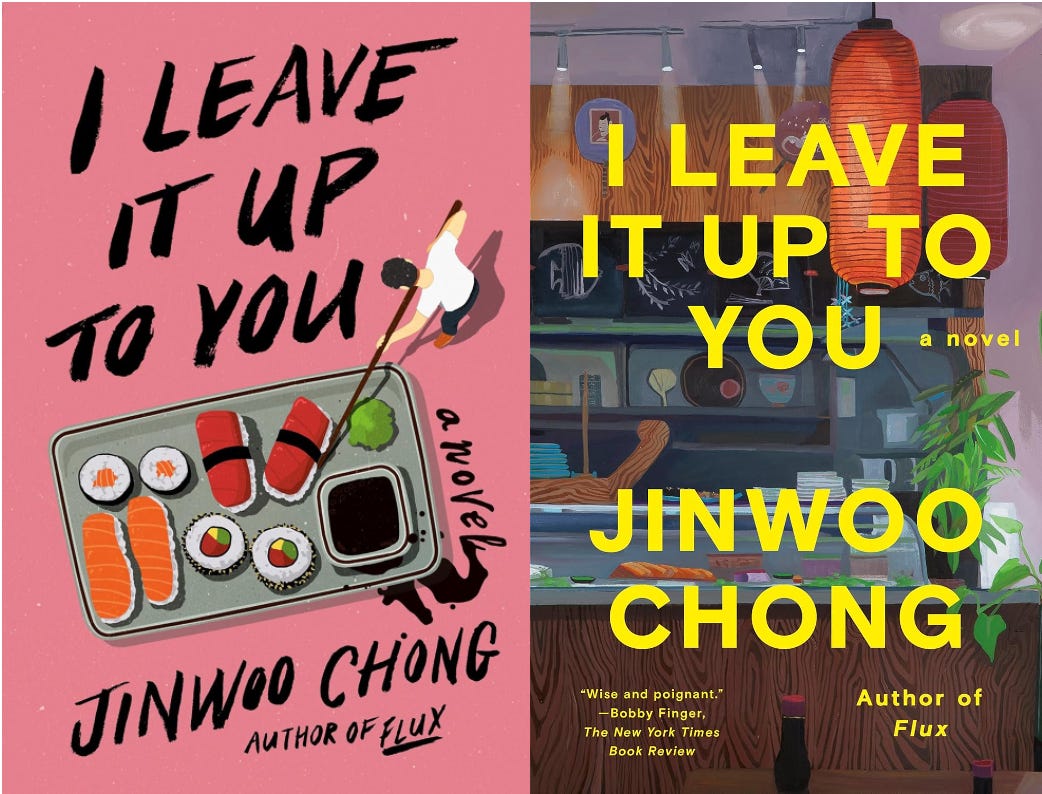
I Leave It Up to You by Jinwoo Chong - paperback publishing March 2026, preorder here.
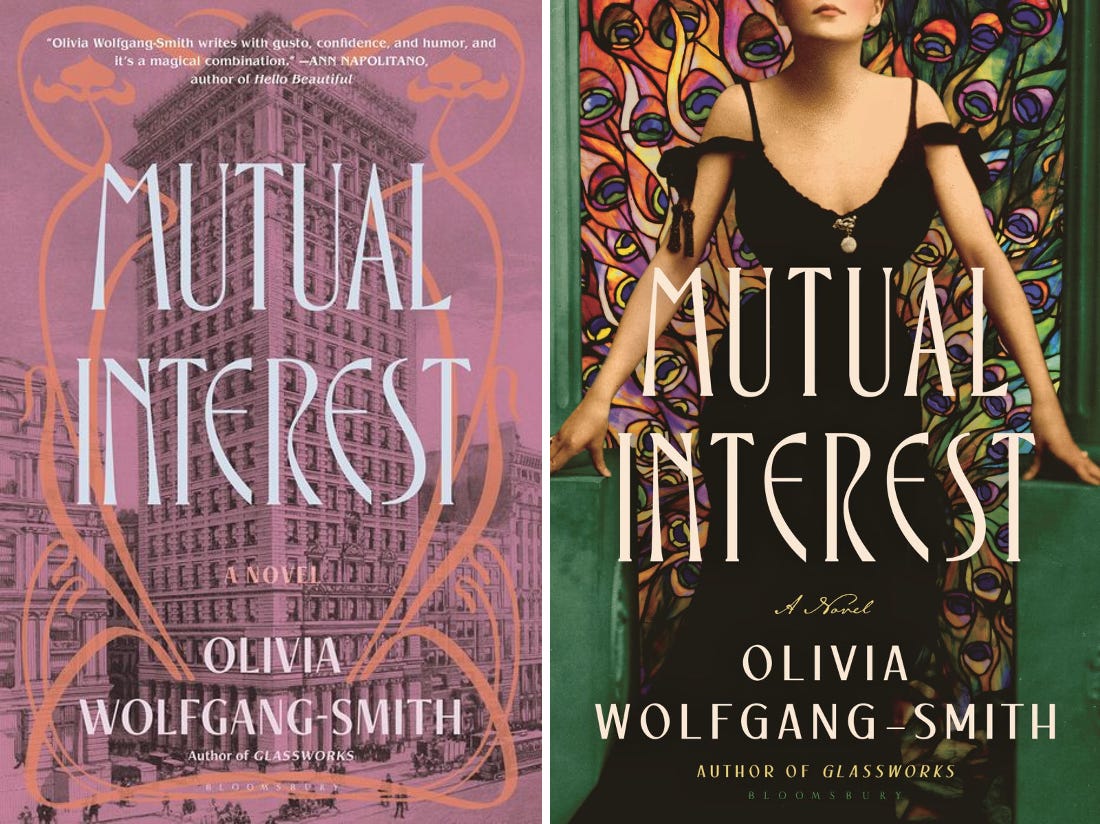
Mutual Interest by Olivia Wolfgang-Smith - paperback publishing April 2026, preorder here.
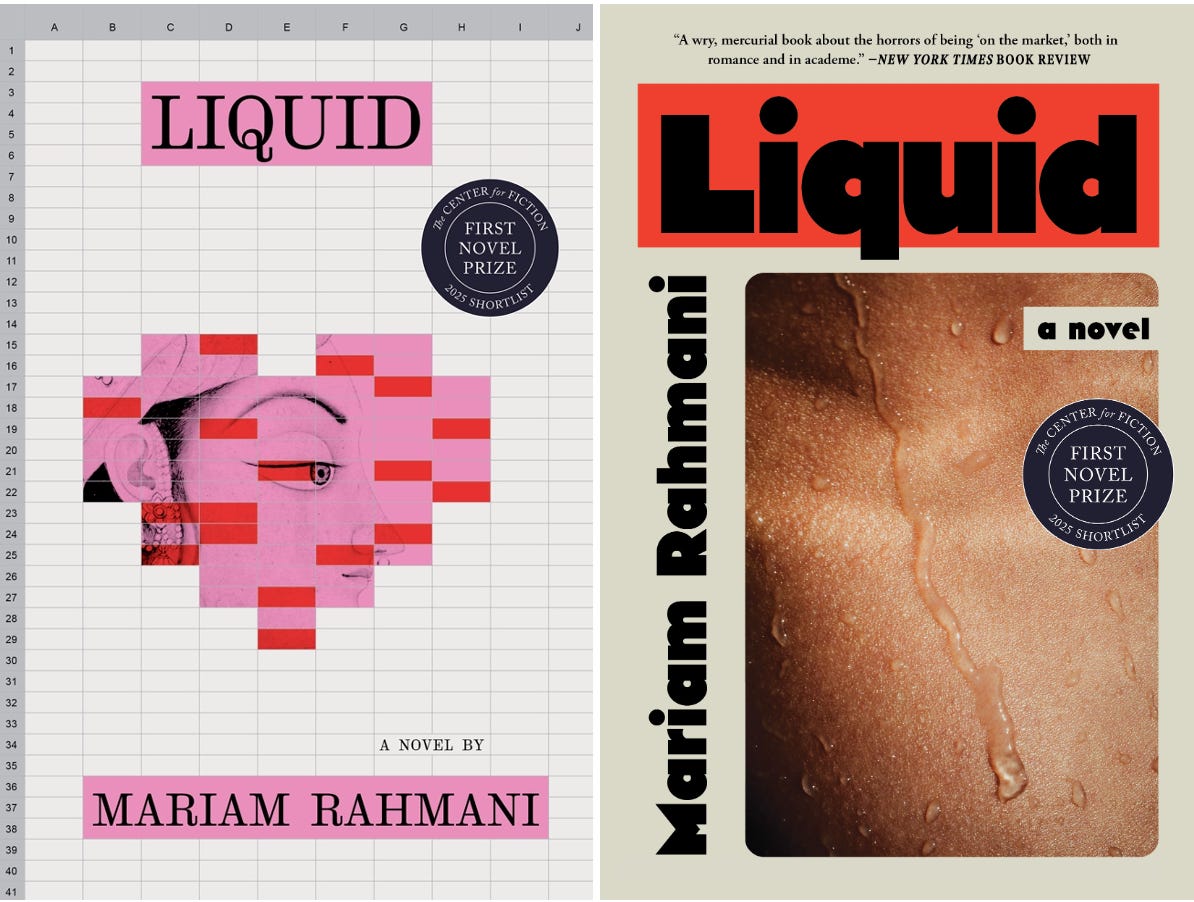
Liquid by Mariam Rahmani - here’s the hardcover and paperback updated with the CFF Finalist sticker (publishing June 2026.)
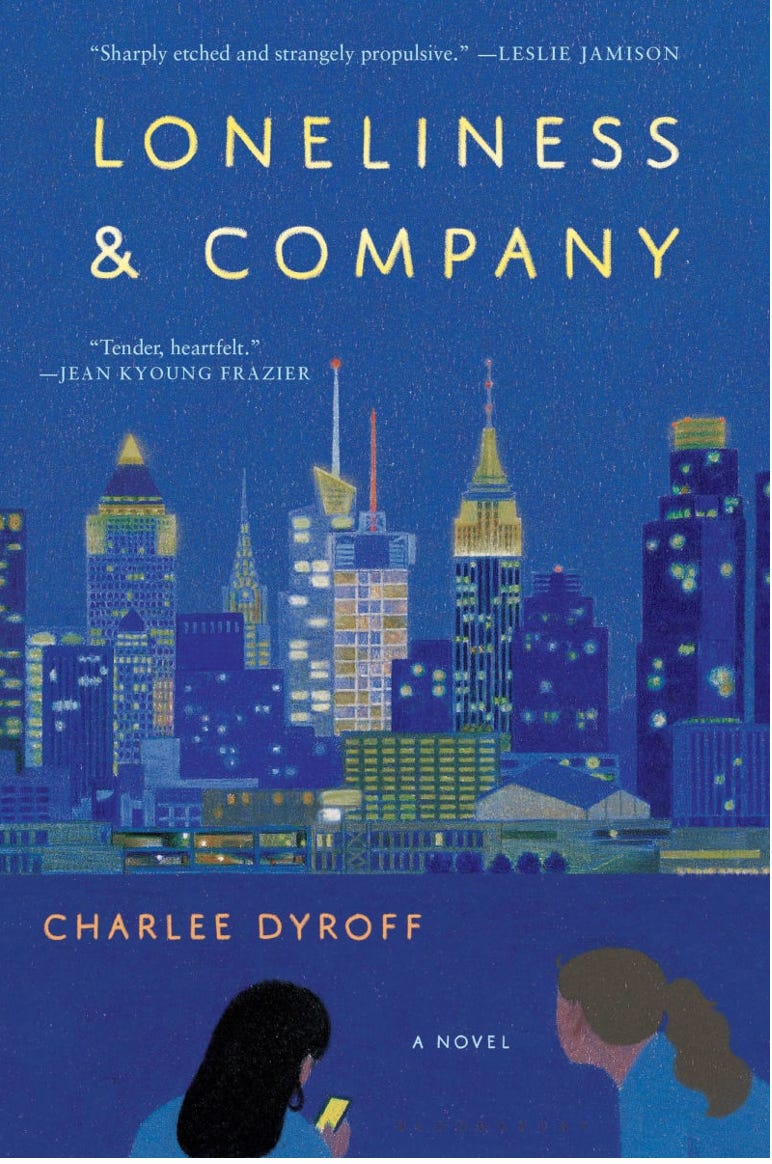
Loneliness & Company by Charlee Dyroff published in paperback this year:
A personal favorite that isn’t new is Na Kim’s two covers for the hardcover and paperback of Memorial by Bryan Washington.
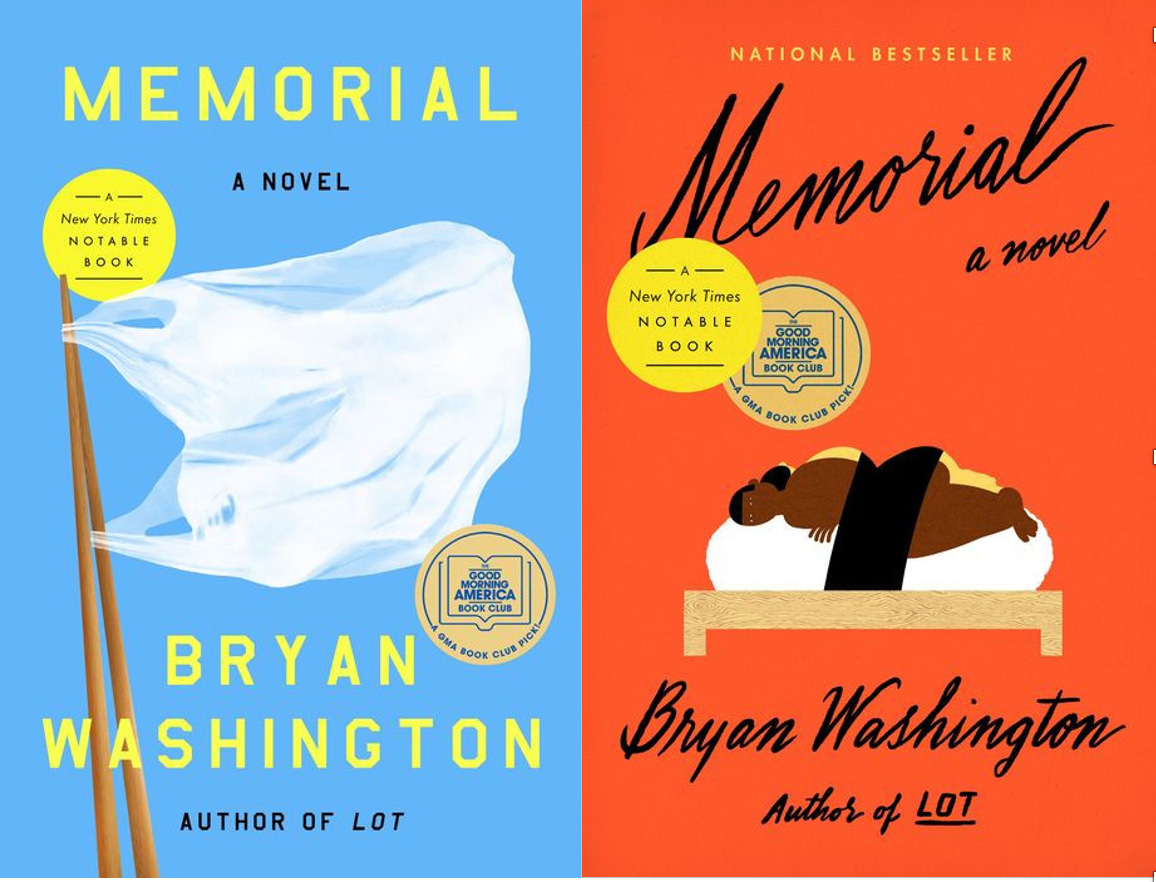
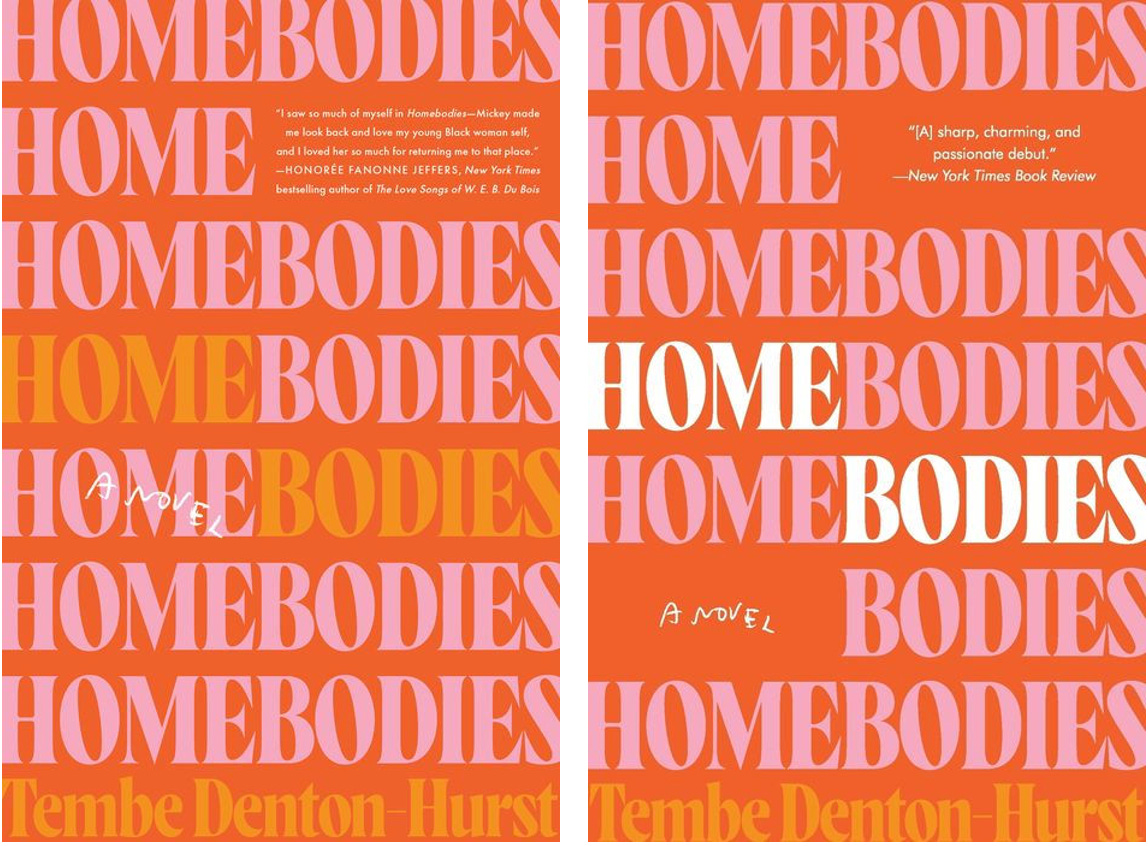
And here’s a more subtle redesign, between hardcover and paperback of Homebodies by Tembe Denton-Hurst:
This is my example because the agency where I work represents McBride